
The moment the dentist said “root canal,” Anirban felt his stomach drop.
He had heard the stories—long appointments, unbearable pain, weeks of discomfort. So he did what many people do. He delayed treatment, hoping the pain would somehow disappear on its own.
It didn’t.
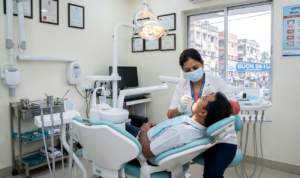
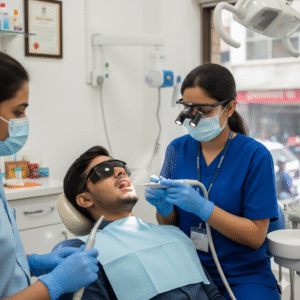
When the pain finally forced him into the clinic, he was surprised by what actually happened. The procedure was calm, controlled, and far less uncomfortable than the toothache that brought him in.
This experience is becoming more common, because the truth is simple:
Root canal treatment in Kasba today is nothing like the horror stories of the past.
Why Root Canals Have Such a Bad Reputation
Root canals are often misunderstood because of outdated experiences and second-hand stories.
In the past:
- Dental technology was limited
- Anesthesia was less effective
- Procedures took longer
- Pain control wasn’t as precise
Those memories stuck—even though dentistry moved on.
Modern root canal treatment focuses on pain relief, precision, and comfort, not suffering.
What a Root Canal Actually Does (And Why It’s Needed)
A root canal doesn’t cause pain—it removes the source of pain.
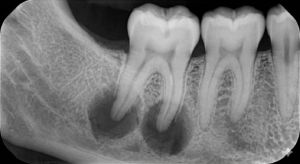
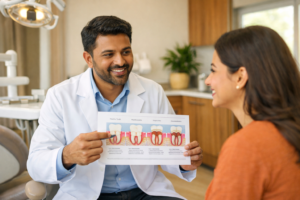
Inside each tooth is soft tissue called pulp. When it becomes infected due to deep decay, cracks, or trauma, it leads to:
- Severe toothache
- Sensitivity to hot or cold
- Swelling or abscess
- Pain while chewing
Root canal treatment:
- Removes infected pulp
- Cleans and disinfects the tooth
- Seals it to prevent reinfection
- Preserves your natural tooth
Without it, extraction often becomes the only option.
Is Root Canal Treatment in Kasba Really Painful?
This is the most searched—and most feared—question.
The honest answer: No, not anymore.
With modern techniques:
- Local anesthesia ensures you don’t feel pain
- Advanced tools reduce procedure time
- Precision cleaning minimizes discomfort
- Post-treatment pain is usually mild and temporary
Most patients say the infection pain before treatment is far worse than the procedure itself.
In fact, many are surprised by how easy it feels.
How Modern Dentistry Has Changed the Root Canal Experience
Root canal treatment in Kasba has evolved significantly in recent years.
- Better Anesthesia
Targeted numbing ensures comfort throughout the procedure.
- Advanced Equipment
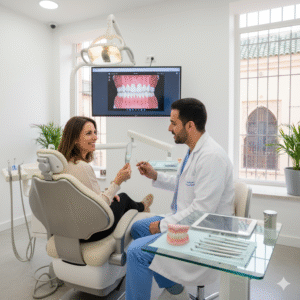
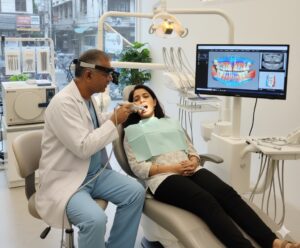
Modern rotary instruments and imaging allow for precise, efficient cleaning.
- Faster Appointments
Many root canals can now be completed in fewer visits.
- Predictable Healing
Improved techniques lead to smoother recovery and long-term success.
At Tusk Dental, technology is paired with a calm, patient-first approach—because fear deserves reassurance, not pressure.
What the Procedure Feels Like (Step by Step)
For most patients, fear comes from the unknown. Understanding what actually happens during a root canal often reduces anxiety far more than reassurance alone. Modern root canal treatment is designed to be calm, controlled, and as comfortable as possible.
- Numbing the Area – Comfort Comes First
Before anything begins, the dentist carefully numbs the tooth and surrounding area using local anesthesia. This step ensures you remain comfortable throughout the procedure. You may feel a slight pinch during the injection, followed by a gradual numbness. Once the area is fully numb, pain signals are blocked—you may notice pressure or gentle movement, but not pain.
- Cleaning the Infection – Gentle and Precise
Once the tooth is numb, the dentist accesses the infected area and removes the damaged pulp. Modern instruments allow this step to be precise and efficient. The process is controlled and methodical, focusing on removing infection while preserving as much healthy tooth structure as possible. Most patients describe this phase as surprisingly uneventful.
- Sealing the Tooth – Protection for the Future
After the infection is completely cleaned, the inside of the tooth is disinfected and sealed. This step prevents bacteria from entering again and helps stabilize the tooth. In some cases, a temporary or permanent filling is placed, and a crown may be recommended later to strengthen the tooth.
- Post-Care Guidance – Clear and Reassuring
Before you leave, your dentist explains what to expect during recovery and how to care for the treated tooth. You’ll receive simple, clear instructions—what to eat, how to manage mild soreness, and when to return for follow-up care. This guidance helps ensure smooth healing and long-term success.
Most patients walk out feeling relieved and often say the same thing: “That was it?”
The pain they feared never arrives—because the root canal was never the problem. The infection was.
Recovery: What Happens After a Root Canal?
Recovery is usually straightforward.
You may experience:
- Mild soreness for a day or two
- Sensitivity while chewing
This is normal and manageable with basic care.
Following your dentist’s instructions helps ensure:
- Faster healing
- Long-term tooth stability
- No recurring infection
A crown may be recommended to strengthen the tooth, depending on the case.
Why Saving the Natural Tooth Is Always Better
Some people ask, “Why not just remove the tooth?”
Because:
- Natural teeth chew better
- They maintain jawbone structure
- They prevent shifting of nearby teeth
- They avoid more complex replacement treatments
Root canal treatment allows you to keep your natural tooth—something no artificial replacement fully matches.
When Should You Consider a Root Canal?
Don’t wait for unbearable pain.
Seek evaluation if you notice:
- Persistent toothache
- Sensitivity lasting more than a few seconds
- Gum swelling near a tooth
- Pain while biting
Early intervention often means simpler treatment and better outcomes.
Why People in Kasba Are Choosing Modern Root Canal Care
Awareness is growing. Patients are realizing that:
- Delaying treatment increases pain
- Modern dentistry is more comfortable
- Fear-based myths are outdated
Root canal treatment in Kasba today is about relief, not fear.
Final Thought: Don’t Let Old Myths Decide Your Health
Anirban walked out pain-free, relieved—and a little amused at how worried he had been.
“The fear was worse than the treatment,” he said.
If you’re living with tooth pain because of fear, remember this:
Modern dentistry has changed the game. And relief is closer—and gentler—than you think.