
If you’ve been putting off a dental appointment because you’ve heard that root canal treatment is painful, you’re not alone. Many people delay treatment due to fear, only to end up with severe tooth pain or an infection that could have been prevented.
The truth is that modern root canal treatment in Kasba is designed to relieve pain, not cause it. Thanks to advanced dental techniques, effective anesthesia, and improved technology, a root canal today is often no more uncomfortable than getting a dental filling.
What Is a Root Canal?
A root canal is a dental procedure that removes infected or damaged pulp from inside the tooth. The pulp contains nerves and blood vessels. When it becomes infected due to deep decay, cracks, or trauma, it can cause intense pain and swelling.
Instead of extracting the tooth, your dentist cleans the infected area, disinfects it, fills the canal, and seals the tooth to restore its function.
The goal of a root canal is to save your natural tooth while eliminating pain and infection.
Myth 1: Root Canal Treatment Is Extremely Painful
This is the biggest misconception.
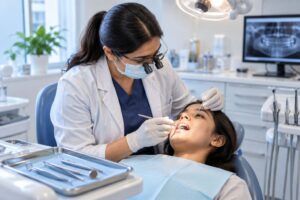
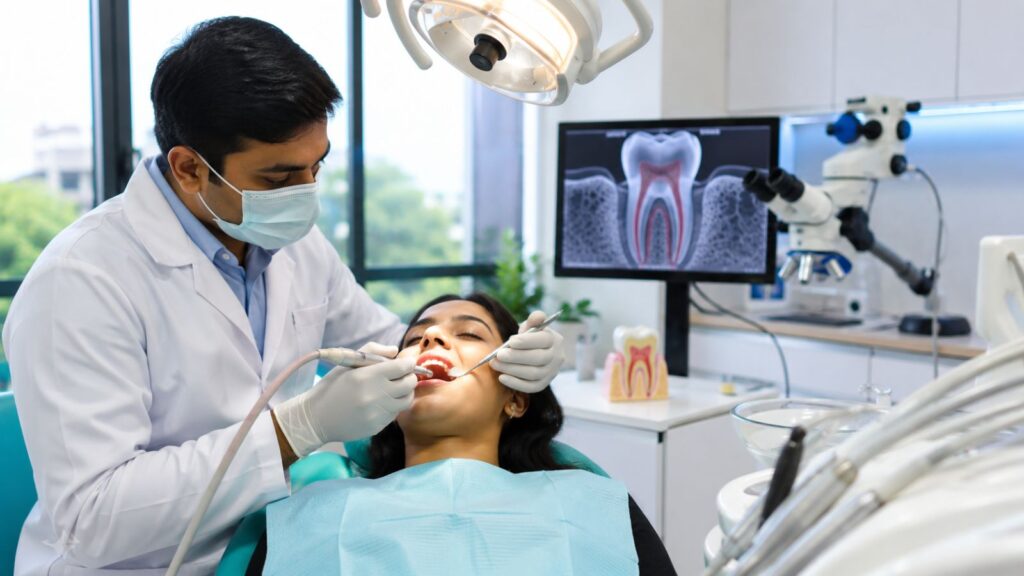
Modern painless root canal treatment use local anesthesia that completely numbs the affected area. During the treatment, most patients feel only slight pressure and little to no pain.
In fact, the pain you experience before treatment because of the infection is usually much worse than the procedure itself.
Myth 2: Tooth Extraction Is Better Than a Root Canal
Many people think removing the tooth is a quicker solution.
However, saving your natural tooth is almost always the better option. A root canal helps preserve your bite, prevents neighboring teeth from shifting, and avoids the need for costly replacements like implants or bridges.
Whenever possible, experienced dentists recommend saving the natural tooth first.
Myth 3: Recovery Takes Weeks
Recovery is generally straightforward.
Some mild tenderness for a day or two is normal, but most patients return to work or their regular routine the very next day. Following your dentist’s instructions, taking prescribed medications, and avoiding hard foods for a short period usually ensures a smooth recovery.
Signs You May Need Root Canal Treatment
You should visit a dental clinic in Kasba if you experience:
- Persistent toothache
- Pain while chewing
- Sensitivity to hot or cold that lingers
- Swollen or bleeding gums
- Darkening of a tooth
- A pimple or swelling near the affected tooth
- Facial swelling due to infection
Ignoring these symptoms may allow the infection to spread, making treatment more complex.
What Happens During Root Canal Treatment?
Here’s what you can expect:
- Your dentist examines the tooth and takes digital X-rays.
- Local anesthesia is administered to numb the area.
- A small opening is created in the tooth.
- The infected pulp is carefully removed.
- The canals are cleaned, shaped, and disinfected.
- The canals are sealed with a special filling material.
- In many cases, a dental crown is placed later to strengthen the tooth.
The entire procedure is performed with patient comfort as the priority.
How Much Does Root Canal Cost?
One of the most common questions patients ask is about root canal cost.
The cost varies depending on factors such as:
- Which tooth requires treatment
- The severity of the infection
- Whether a dental crown is needed
- The complexity of the procedure
Your dentist will examine your tooth and provide a treatment plan with transparent pricing before starting the procedure.
Benefits of Getting Treatment Early
Delaying treatment can lead to worsening infection, increased pain, and even tooth loss.
Early tooth pain treatment offers several advantages:
- Relieves severe pain
- Saves your natural tooth
- Prevents infection from spreading
- Restores normal chewing
- Improves long-term oral health
- Reduces the likelihood of more expensive treatments later
The sooner you seek treatment, the simpler the procedure is likely to be.
Why Choose The Tusk Dental Clinic?
When searching for a trusted dental clinic in Kasba, choosing an experienced dental team makes all the difference.
At The Tusk Dental Clinic, patients receive:
- Accurate diagnosis using modern dental technology
- Comfortable and patient-focused care
- Advanced techniques for painless root canal procedures
- Personalized treatment plans
- High standards of hygiene and sterilization
- Comprehensive follow-up care for faster recovery
The clinic focuses on preserving natural teeth while ensuring every patient feels informed and comfortable throughout the treatment process.
Final Thoughts
A root canal is one of the safest and most effective ways to save a damaged tooth and eliminate pain. Modern dentistry has transformed the procedure into a comfortable experience for most patients.
If you’re experiencing persistent tooth pain, sensitivity, or swelling, don’t wait until the problem becomes more serious. Visiting an experienced dentist in Kasba for an early evaluation can help you avoid complications and protect your smile.
Whether you need expert advice, tooth pain treatment, or root canal treatment in Kasba, The Tusk Dental Clinic is committed to providing safe, comfortable, and effective dental care tailored to your needs.
FAQs
Is root canal treatment painful?
No. Modern anesthesia makes root canal treatment comfortable, and most patients experience little to no pain during the procedure.
How many visits are required for a root canal?
Many cases can be completed in one or two visits, depending on the condition of the tooth.
What is the average root canal cost?
The root canal cost depends on the tooth being treated, the severity of the infection, and whether a crown is required.
Can I eat after a root canal?
Yes, but it’s best to wait until the numbness wears off and avoid chewing on the treated tooth until your dentist advises otherwise.
When should I see a dentist in Kasba for tooth pain?
If your tooth pain lasts more than a day or two, or if it’s accompanied by swelling, sensitivity, or difficulty chewing, schedule an appointment as soon as possible. Early treatment improves the chances of saving your natural tooth.