
Mr. Sen came to the clinic for a toothache he had been ignoring for months.
“It started as a little sensitivity,” he said. “I thought it would go away.”
It didn’t.
What could have been managed with a simple cleaning and early care had now turned into a more complex—and costly—treatment. As he sat in the chair, he sighed and said something we hear far too often:
“I wish I had come earlier.”
This single sentence explains why preventive dental care in Kasba matters more today than ever before.
What Is Preventive Dental Care—Really?
Most people think dental care is about fixing problems. Preventive dental care is about stopping those problems before they begin.
It focuses on:
- Early detection of issues
- Routine monitoring of oral health
- Professional cleanings
- Patient education
- Personalized care planning
Instead of reacting to pain, preventive care works quietly in the background—protecting your teeth, gums, time, and wallet.
The Costly Myth: “I’ll Go Only When There’s Pain”
Pain is a late signal in dentistry.
By the time you feel:
- Persistent sensitivity
- Swelling
- Sharp pain while chewing
…the damage has often progressed beyond the early stage.
Preventive dental care helps catch:
- Small cavities before they deepen
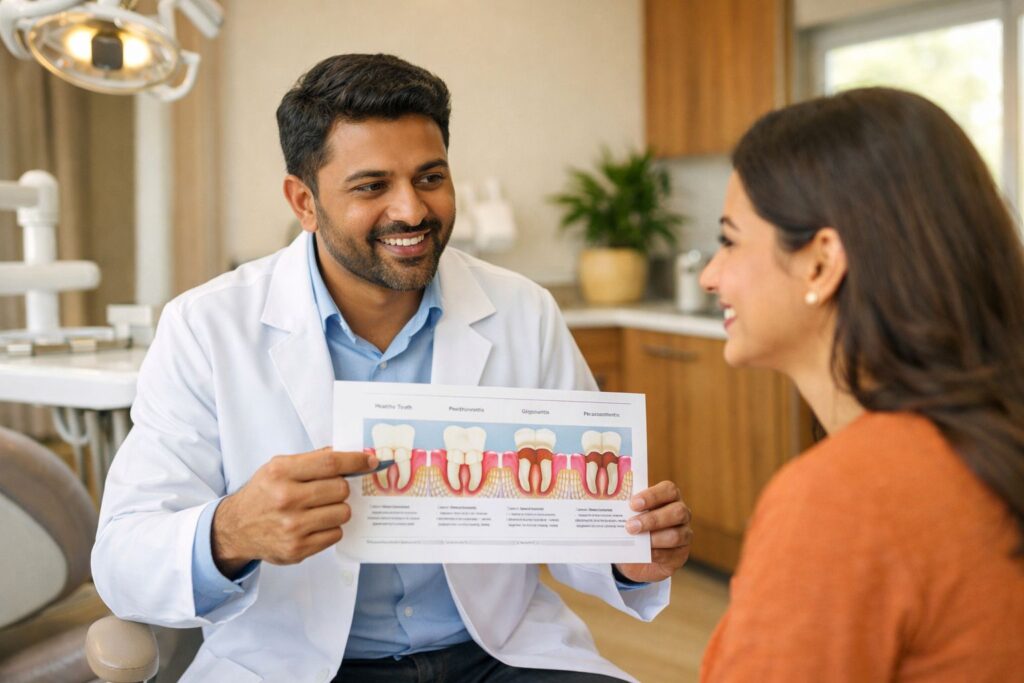
- Gum inflammation before it becomes gum disease
- Plaque buildup before it causes bone loss
- Bite issues before they damage teeth
Early action almost always means simpler, faster, and more affordable care.
Why Preventive Dental Care Is a Smart Financial Decision
Let’s talk numbers—not fear.
A routine dental visit may involve:
- Examination
- Professional cleaning
- Basic X-rays (if needed)
Compare that to the cost of:
- Root canal treatment
- Crowns or bridges
- Gum surgeries
- Tooth replacement procedures
Preventive care doesn’t just protect your health—it protects you from avoidable expenses.
This is why many families in Kasba are shifting their mindset from “emergency dental visits” to planned, preventive care.
How Preventive Dental Care Works in Real Life
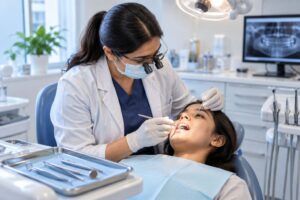
At Tusk Dental, preventive care is not a checklist of tasks—it’s a thoughtful, ongoing process designed around you. Rather than rushing into treatments, the focus is on understanding your oral health today and protecting it for the future. Each step builds on the previous one, ensuring care remains simple, effective, and predictable.
Step 1: Understanding Your Oral Health
No two mouths are the same, and preventive care always begins with listening and observation. Your dentist takes time to evaluate the full picture, not just individual teeth.
This includes:
- Tooth condition: Checking for early signs of decay, enamel wear, or sensitivity
- Gum health: Looking for inflammation, bleeding, or changes in gum attachment
- Past dental history: Understanding previous treatments, recurring issues, or past concerns
- Lifestyle factors: Habits such as diet, stress, tobacco use, and oral hygiene routines
This step helps identify potential risk areas before they become active problems and allows the dentist to plan care that truly fits your needs.
Step 2: Early Detection Before Problems Grow
Many dental problems begin quietly. Mild gum bleeding, slight enamel thinning, or tiny cavities often go unnoticed by patients—but they are clear warning signs for a trained dentist.
Early detection allows your dentist to:
- Address issues while they are still reversible
- Prevent discomfort or infection
- Avoid complex procedures later
By spotting these subtle changes early, preventive dental care helps stop minor concerns from escalating into painful and expensive treatments.
Step 3: Routine Professional Cleaning
Even the best brushing and flossing routines can’t remove hardened tartar and deep-seated bacteria. Routine professional cleanings are essential to maintain oral health over time.
During this step:
- Tartar buildup is safely removed
- Plaque is cleaned from hard-to-reach areas
- Teeth are polished to reduce future buildup
- Gum health is reassessed
This step not only keeps your mouth clean but also creates a healthy foundation for long-term dental stability.
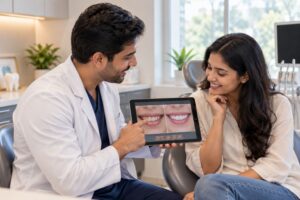
Step 4: Personalized Guidance You Can Actually Follow
Preventive care doesn’t end when the appointment is over. Your dentist provides practical, easy-to-follow advice based on your habits and lifestyle—never generic instructions.
You may receive guidance on:
- Brushing and flossing techniques suited to your needs
- Dietary changes that protect enamel
- How often you should return for check-ups
- Small adjustments that make a big difference over time
This personalized approach empowers you to maintain your oral health confidently between visits.
By following this step-by-step process, preventive dental care remains minimal, manageable, and predictable. Instead of reacting to dental problems, you stay ahead of them—protecting both your smile and your peace of mind.
Preventive Care Is Especially Important If You…
You may benefit even more from preventive dental care if you:
- Have busy work schedules
- Manage diabetes or hormonal changes
- Smoke or chew tobacco
- Have had dental problems in the past
- Want to avoid long dental procedures
In these cases, regular monitoring can prevent sudden dental emergencies.
The Long-Term Benefits People Often Overlook
Preventive dental care doesn’t just save teeth—it improves quality of life.
Patients often notice:
- Fresher breath
- Healthier-looking gums
- Reduced dental anxiety
- Fewer unexpected dental visits
- Better overall confidence
It’s not just about avoiding treatment—it’s about maintaining comfort and peace of mind.
Why Kasba Residents Are Choosing Prevention Over Cure
With rising healthcare costs and hectic lifestyles, people are becoming more proactive about health—and dental care is no exception.
Kasba residents are increasingly realizing that:
- Regular check-ups reduce surprises
- Planned care is easier to manage
- Early visits build trust with the dentist
Preventive dental care fits perfectly into a modern, practical approach to healthcare.
A Simple Truth Worth Remembering
Mr. Sen completed his treatment, but now he never misses his routine visits.
“I won’t wait for pain again,” he said at his follow-up.
That’s the quiet power of preventive dental care in Kasba—it doesn’t shout, it doesn’t scare, it simply works.
The best dental treatment is often the one you never need.
Final Thought
If it has been more than six months since your last dental visit, prevention is no longer “early”—but it’s still possible.
Taking action today can mean:
- Less treatment tomorrow
- Lower costs in the future
- Healthier teeth for years to come
Prevention isn’t an extra step. It’s the smartest first step.